





Why You’ll Love This Recipe
- You get a smooth, rich cheese sauce in just five minutes, with no roux, no flour and no fuss, even on busy weeknights.
- The flavor is bold and creamy because it uses real cheese and cream, which suits pasta, nachos or dipping vegetables.
- It is low in carbohydrate at about 3 grams per serving, and it fits gluten-free and keto eating when you check your labels.
- This recipe has several times the protein of the plain jarred cheese sauces in the table below.
- It works for most households: you can adapt it for dairy-free, vegetarian or spicy preferences without losing the easy method.
🥇 Why this version beats the jar and a classic roux
This 5-minute cheese sauce skips the roux and uses just cheese, cream and seasonings. It takes one pan and one whisk, with no flour paste to cook out.
Jarred sauces solve the speed problem differently. Many shelf-stable Walmart sauces use water, oil and starch to build body, so cheese is only part of the story, and their protein is low.
A traditional sauce starts with a roux, a cooked paste of butter and flour. It works, but lumps form easily, the raw flour taste has to be cooked out, and the flour adds gluten. That is a lot to ask at 6 p.m. on a school night.
The texture here comes from technique, not thickener. Adding cheese gradually, off the heat, gives a smooth finish with no graininess or separation.
Several times the protein, and no starch or filler
Read the first three ingredients on any jar. If cheese is not near the top, you are mostly buying water.
- Walmart’s Great Value Liquid Nacho Cheese Sauce lists water, vegetable oil, then cheese.
- Ricos Premium Cheddar Aged lists water, modified corn starch, then canola oil.
In a flourless sauce the protein comes from the dairy itself, not from a thickener.
Bold flavor and creaminess, even with simple ingredients
Sharp cheddar brings far more taste than mild cheese blends. Aged cheese carries its own flavor and melts well, so you need less of it.
A spoonful of cream cheese adds extra smoothness, so the sauce needs no starch to feel creamy.
Always gluten-free if you follow these label checks
“Flour-free” does not automatically mean “gluten-free”. Under FDA rules, a packaged food can be labeled “gluten-free” only if it contains less than 20 parts per million of gluten. That is a sensible bar for every ingredient you use at home.
Cheese, seasonings and add-ins can contain gluten or carry a cross-contact warning. Bagged shredded cheeses sometimes include anti-caking agents or seasoning blends that are not gluten-free. For celiac disease, choose only products labeled gluten free, and use a clean pan and whisk to avoid cross-contact.
Quick, no-fuss method that works for busy families
Everything happens in one pan with a whisk, so there is no second pot and no flour paste. Splitting and grease catch out many quick methods, and the method below avoids both by adding the cheese off the heat.
⏱️ At a glance: time and nutrition against supermarket jars
This recipe takes 5 minutes in total, where a jar needs none, but it carries several times the protein of the plain jars. The table compares one ¼ cup (60 ml) serving, the FDA reference amount for cheese sauce. The jar rows use the 62 to 67 g label serving, and the recipe row is half of the ½ cup serving. Higher is better for protein. Lower is better for saturated fat and sodium.
| Option | Protein (g) | Fat (g) | Saturated fat (g) | Sodium (mg) |
|---|---|---|---|---|
| This recipe, 1 serving (¼ cup) | 5.5 | 12.5 | 8 | 175 |
| Great Value Liquid Nacho Cheese Sauce | 1 | 6 | 1.5 | 560 |
| Chef-mate ¡Que Bueno! Jalapeño Cheese Sauce | 1 | 5 | 1.5 | 430 |
| Velveeta Jalapeño Melting Cheese Sauce | 8 | 14 | 4 | 840 |
What this shows: The recipe has about five times the protein of the two plain jars and about a third of Great Value’s sodium. It also has about five times their saturated fat. Velveeta has more protein, but about five times the sodium. Pick the recipe if protein, salt or a short ingredient list matters most. If saturated fat is your worry, keep to ¼ cup. It is also the only option here where you can check every ingredient for gluten yourself.
🧀 Ingredients, with swaps that keep the texture and nutrition
The table below shows what each swap changes in fat, dairy and flavor, and what it costs you in texture.
| Ingredient to swap | Use instead, and how much | What changes |
|---|---|---|
| Sharp cheddar | Gruyère, pepper jack or a Mexican blend, 1½ cups (170 g) | Nutty or spicier flavor, same melt. Grate from a block. |
| Pre-shredded cheese | Block cheddar such as Cabot, Tillamook or Kraft, grated at home | Smoother melt. |
| Heavy cream | Half-and-half or whole milk, ½ cup (120 ml) | Thinner and less rich. Half-and-half saves about 50 kcal and 8 g fat per serving but is less keto-friendly. |
| Heavy cream and cheddar | Full-fat coconut cream, ½ cup (120 ml), and vegan shreds, 1½ cups (170 g) | Dairy-free, but vegan cheese melts less smoothly. |
| Cream cheese | Leave it out | Slightly less silky, same flavor. |
What this shows: Block cheese and heavy cream give the smoothest result. Every other swap trades a little texture for fat, flavor or allergen needs. Keep the cheese weight the same when you swap one cheese for another.
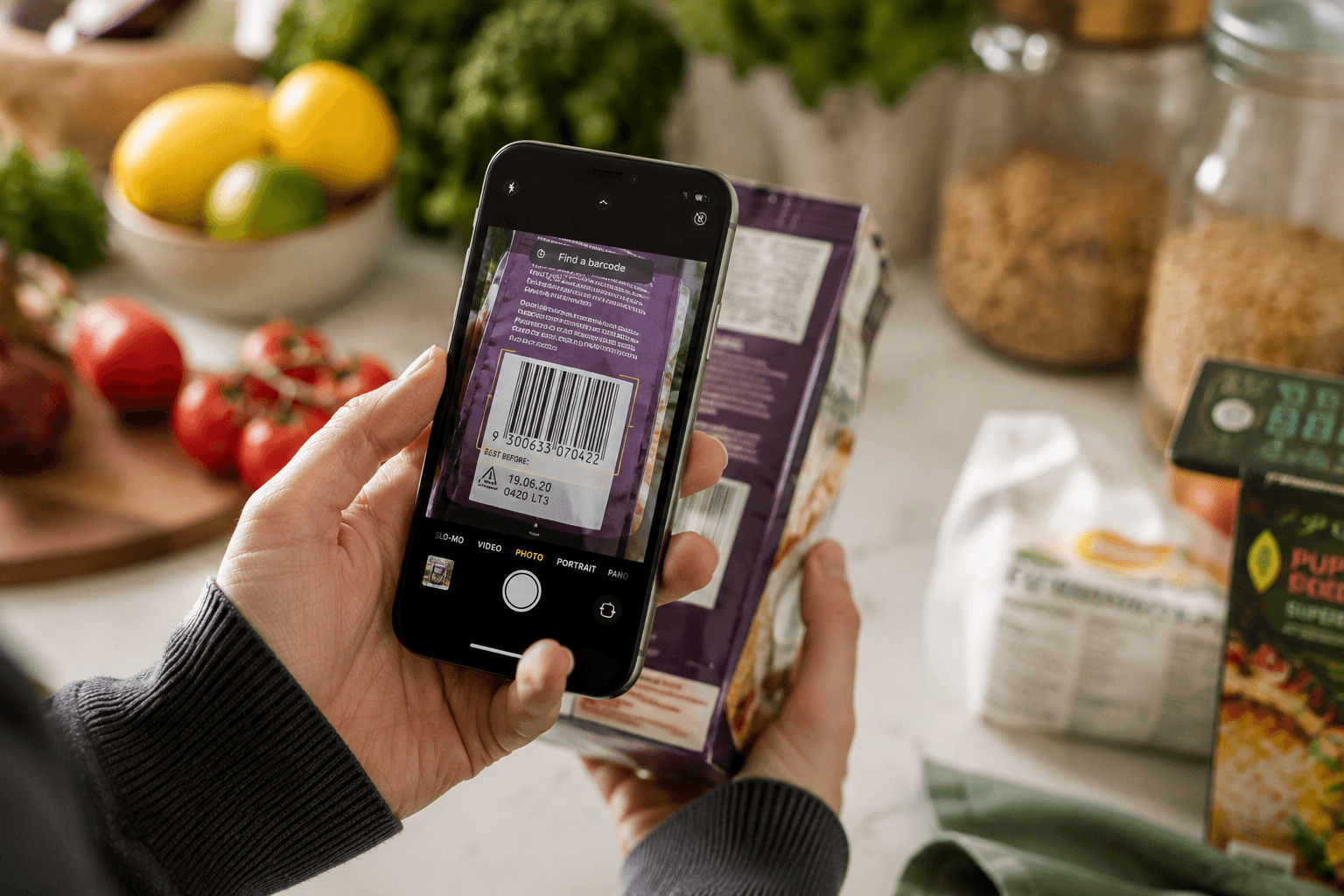
🔄 Try instead: Pick up a block of Cabot or Tillamook sharp cheddar instead of a bag of pre-shredded cheese. The powder on the shreds, often potato starch or cellulose, can make the sauce grainy. On the pack, look for “gluten free” if you need it. Scan both in GoodFor and it shows the ingredients and sodium before either goes in the cart.
👩🍳 Cheese sauce without flour: step-by-step method for a smooth, silky finish
Warm the cream gently, because boiling is the main reason cheese sauce turns gritty or broken.
- Grate 1½ cups (170 g) sharp cheddar from a block on the large holes and set it beside the stove, ready to add the moment the pan comes off the heat.
- Heat ½ cup (120 ml) heavy cream in a small saucepan over medium-low heat for about 1 minute, until it steams gently and tiny bubbles show at the edge.
- If using, whisk in 2 tbsp (30 g) cream cheese until fully melted and smooth, about 30 seconds, with no lumps left.
- Lift the pan completely off the burner. Do not let the cream boil, since the leftover heat is gentle enough to melt cheese without splitting it.
- Add the cheese a handful at a time, whisking constantly until each handful melts before the next goes in. This takes about 2 minutes.
- Stir in ½ tsp garlic powder, ¼ tsp onion powder and a pinch of cayenne. Taste, then add salt and pepper only if needed, because cheddar is already salty.
- Serve immediately while hot and silky. If it thickens as it sits, return it to low heat and whisk in a splash more cream.
💡 Top tip: On an electric stove, the coil stays hot after you switch it off. Move the pan to a cool burner before adding the cheese, or the hot coil can still split the sauce.
🛠️ Make it work for your family: scaling, prepping ahead, and remix options for every diet
The recipe doubles or halves easily, and you can make it a day ahead and reheat it gently with a splash of cream.
- Keto: serve over steamed non-starchy vegetables or protein such as grilled chicken, steak or tofu.
- Vegetarian: choose cheese made with vegetarian rennet. Check the label, because some traditional and artisan cheeses use animal rennet.
- Dairy-free: use both dairy-free swaps from the table and stir in 1 tbsp nutritional yeast. It is less smooth but still flavorful.
- Picky eaters: replace half the sharp cheddar with mild cheddar for a gentler flavor.
🥗 Nutrition example: For a gluten-free, kid-friendly mac and cheese, toss 1 cup (240 ml) of this sauce with 8 oz (225 g) cooked gluten-free pasta and halved cherry tomatoes. That cup is two servings, about 560 kcal and 32 g saturated fat in total. Split between four kids, each portion is about 140 kcal and 8 g saturated fat.
🥗 Nutrition per portion, and who this sauce suits
A ½ cup (120 ml) serving gives about 11 g protein and 3 g carbohydrate, which suits keto and gluten-free eating when you manage portions and salt. That is two label servings on the ¼ cup basis used in the table above. The full figures are in the nutrition section below.
Offering cheese sauce to young children, and family salt checks
The Dietary Guidelines for Americans advise keeping saturated fat under 10% of daily calories from age 2. A small child needs far less than an adult portion, and cheddar is already salty.
✅ Quick check: For children under 5:
- Serve 1 to 2 tbsp (15 to 30 ml), not a full ½ cup.
- Pair it with unsalted vegetables or plain pasta.
- Leave extra salt out for little ones.
- Skip salty toppings such as bacon bits or chips.
Low-carb, keto, and blood sugar management: what changes and what to watch
The sauce itself is very low in carbohydrate, so it fits keto over steamed broccoli, cauliflower, green beans or grilled meat. Keto describes carbohydrate only and says nothing about the saturated fat or sodium in the same bowl. For blood sugar, the pasta, chips or potato underneath adds the carbohydrate. No study tests this recipe for any one person, so check pairings with your own care team.
Making it work with pregnancy or restricted diets
In pregnancy, use pasteurized dairy and avoid unpasteurized cheese, as the Dietary Guidelines advise. Look for “pasteurized” on the cheese and cream cheese labels. For halal or kosher households, look for the certification symbol on the cheese pack.
Allergies (dairy, gluten) and label guidance
This sauce contains milk, which appears in the “Contains” line on the cheese and cream packs. Read that line on every product, including dairy-free substitutes, which can bring allergens of their own. For celiac disease, use only cheese and seasonings labeled gluten free, as the label checks above explain.
🥶 Storing, reheating and serving it safely, and keeping the meal balanced
The sauce thickens as it cools and keeps up to three days in an airtight container in the fridge. Never freeze it, because it separates on thawing and loses its texture.
Reheat gently over low heat, whisking in a little cream as needed for smoothness. In the microwave, use 15 to 20 second bursts and stir between each. Reheat until piping hot, with steam rising throughout, and only once. Discard any sauce left at room temperature for more than 2 hours.
Serve it as one part of a mixed meal: over steamed vegetables, with pasta, or spooned over lean protein with a salad.
⚠️ What makes a sauce split, go grainy, or turn too thick or thin
Most failures come from too much heat, adding the cheese too quickly, or using pre-shredded cheese.
- Grainy, split or oily: caused by boiling or adding all the cheese at once instead of gradually.
- Too thick: whisk in extra cream or milk a tablespoon at a time over low heat.
- Too thin: warm gently for a minute or two, stirring, until it thickens, without letting it bubble.
- Lumpy or gritty: the anti-caking coating on pre-shredded cheese can resist melting, so grate a block.
- Seasonings: blends with hidden starch or gluten can spoil the texture or the gluten-free status.
Nutrition And GoodFor Score
One ½ cup (120 ml) serving gives about 11 g protein and 3 g carbohydrate. These estimates are based on sharp cheddar and heavy cream, so your brands will shift them slightly.
- Energy: about 280 kcal
- Protein: about 11 g
- Fat: about 25 g, of which saturated fat about 16 g
- Carbohydrate: about 3 g, of which sugars about 1 g
- Fiber: 0 g
- Sodium: about 350 mg
- Calcium: about 300 mg
Saturated fat provides about half of the calories here (16 g at 9 kcal per gram is about 144 of 280 kcal). The Dietary Guidelines limit is under 10% of a whole day’s calories, so this is an occasional sauce, and ¼ cup halves the load.
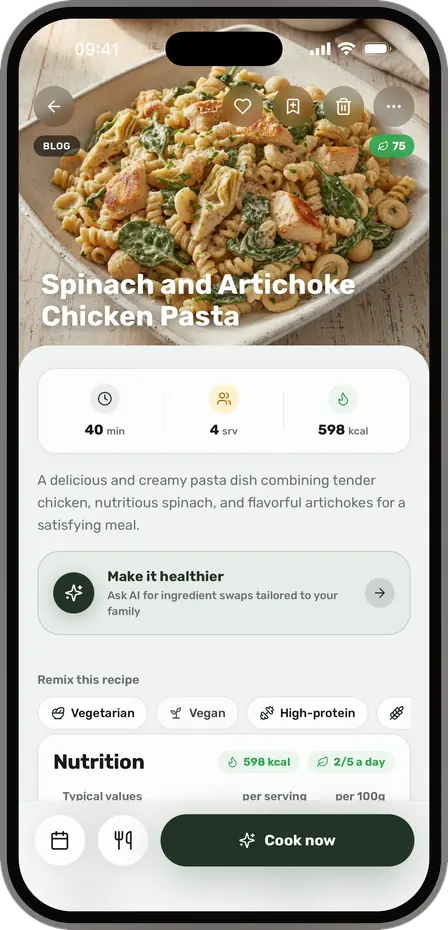
GoodFor, a food and drink scanning app used by thousands of users, scores recipes through its recipe import as well as barcodes, and lists every deduction. Saturated fat and sodium would appear among the reasons behind this sauce’s score. It suits low-carb eating, not an everyday heart-healthy staple.
Frequently Asked Questions
Three things to do before your next batch
- Grate sharp cheddar from a block for smoother melting and fewer label checks.
- Warm the cream gently and take the pan off the heat before the cheese goes in.
- Serve small portions to young children, with unsalted vegetables or plain pasta.
If you serve the sauce over pasta or chips, GoodFor shows the sodium and saturated fat of the product underneath, and Smart Basket scores the whole shop for each family profile.


Make safer everyday choices