




Key Takeaways
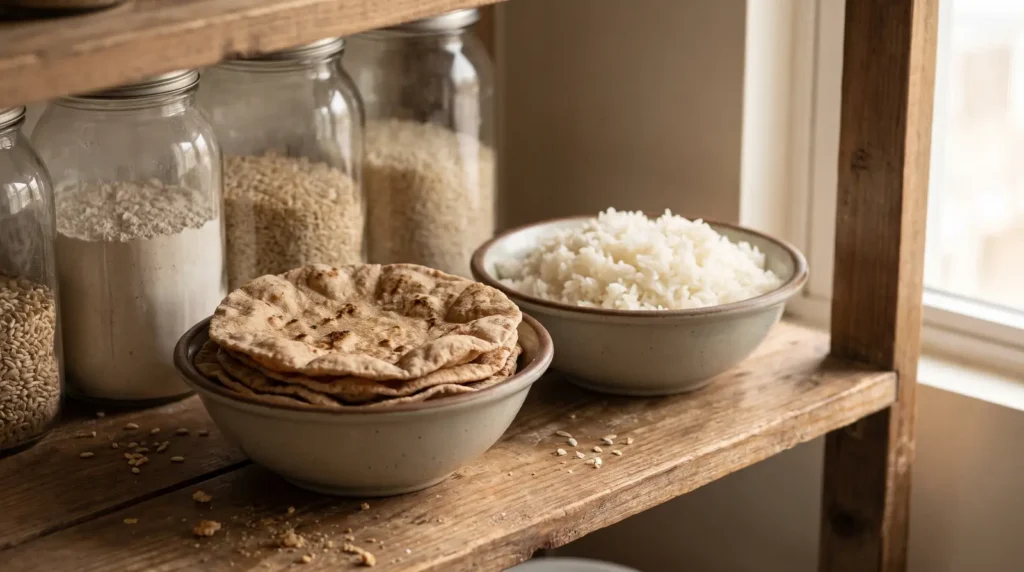
- A practical starting point for most Indian adults is one or two small rotis or a measured serving of cooked rice per meal, with dal and vegetables.
- Whole-wheat roti flour has about 8 g fibre per 100 g, against about 0.4 g in cooked white rice.
- In the roti vs rice glycaemic index (GI) table from ICMR-NIN, white rice is 73, brown rice 68, wheat roti 62 and chapathi 52.
- FSSAI allows a “high fibre” claim only if a solid food has at least 6 g fibre per 100 g (or 3 g per 100 kcal), so check the nutrition panel.
- Neither roti nor rice is automatically best for weight or blood sugar. Portion size and pairing with pulses and vegetables matter most.
🍚 The answer on roti vs rice: how to compare, official thresholds, and the one rule to use
ICMR-NIN’s 2024 dietary guidelines recommend that at least 50% of cereals and grains are whole grains or minimally polished grains. They list whole-wheat roti, minimally processed rice and millets as the options, so neither staple is ruled out.
A fair comparison of roti and rice rests on four things:
- Recipe: plain, or cooked with extra oil and ghee.
- Portion: what actually lands on your plate.
- Grain processing: how far the grain has been polished or refined.
- The rest of the plate: dal, vegetables and protein alongside.
“Healthy” in an Indian kitchen describes that whole combination, not the name of the staple.
The one rule: choose the staple your household can portion consistently, favour whole or minimally polished forms, and build the plate around dal or another protein plus vegetables. The sections below show where the two differ on fibre, blood sugar and labels.
🥣 Why your choice of roti or rice matters: what Indian health research shows
The 2024 guidance caps cereals and millets at no more than 45% of total calories, which is why the amount you eat matters as much as the type.
Both foods are mostly starch, which the body breaks down into glucose. A 2015 systematic review of rice found that the size of the glucose response depends on the portion, the grain variety, how it is cooked and what else is in the meal. Weight, fullness, blood sugar and digestion all follow from those choices.
Weight, fullness and energy: the fibre and protein factor
Whole-wheat roti typically contains more fibre per portion than white rice. Fibre slows digestion and increases the feeling of fullness, so you tend to stop eating sooner.
🥗 Nutrition example: On a 2,000 kcal day, the 45% ceiling is 900 kcal from all cereals combined. That total includes every roti, bowl of rice, slice of bread and biscuit across the day. A big rice lunch leaves less room for the rest.
Blood glucose and diabetes: how GI and portion size change the effect
ICMR-NIN lists these glycaemic index (GI) values, which rank foods by how quickly they raise blood glucose:
- Wheat roti: 62 ± 3
- Chapathi: 52 ± 4
- White boiled rice: 73 ± 4
- Brown boiled rice: 68 ± 4
These are food-level reference values. They do not predict your own response to your own recipe. A large portion raises the total glucose load even when the GI is moderate, so a big plate of lower-GI roti can still push blood sugar up.
Digestion and comfort: when rice or roti is easier
Both rice and roti are easy to digest for most people, and no strong difference between them has been shown. Starch structure, fibre, grain type and the rest of the meal all affect speed and comfort. If one staple sits heavily, change one thing at a time, such as the portion or the grain, so you can tell what helped.
Gut and heart health: the whole-grain advantage
The whole-grain target applies whichever staple you eat. Rotate whole-wheat roti, minimally polished rice and millets rather than relying on one.
📊 Roti and rice compared: nutrition figures and fibre per 100 g and typical portion
NIN lists approximately 170 kcal for 1 cup of cooked rice and 80 kcal for 1 phulka, and the two servings are different weights. Rice carries a lot of water, so a cup of rice and a single roti are not like-for-like.
The table below compares energy, fibre, GI and protein for roti and rice, per 100 g and per reference serving. Lower is better for energy and GI. Higher is better for fibre and protein. Roti figures are for dry flour, and rice figures are for cooked grain.
| Item | Energy per 100 g | Energy per reference serving | Fibre per 100 g | GI (ICMR-NIN) | Protein per 100 g | Typical Indian serving |
|---|---|---|---|---|---|---|
| Whole-wheat roti (phulka/chapati) | about 260 kcal (flour basis) | about 80 kcal per phulka | about 8 g (flour basis) | roti 62 ± 3; chapathi 52 ± 4 | about 9 g | 1 to 3 rotis, as in the NIN sample menu |
| White rice (cooked) | about 130 kcal | about 170 kcal per cup | about 0.4 g | 73 ± 4 | about 2.5 g | 1 to 1¾ katori |
| Brown rice (cooked) | about 110 kcal | about 165 kcal per 150 g cup | about 2 g | 68 ± 4 | about 2.5 g | 1 to 1¾ katori |
What this shows: One phulka has about half the calories of a cup of white rice, but most people eat two or three. Roti flour has far more fibre than cooked white rice, though the gap is smaller on the plate because flour is dry and rice is cooked. Brown rice sits in between on fibre, and white rice has the highest GI. Compare the cooked portions you actually eat, not the per 100 g numbers alone.
🔬 What the research really shows on roti vs rice
Pairing cereal with pulses lowers the glucose response compared with cereal alone, and this is the most consistent practical finding. Which staple produces the lower response in people with diabetes is where the evidence splits, and it depends on recipe and portion.
Key Indian studies: evidence from the ICMR-NIN and clinical trials
A 2017 study of people with type 2 diabetes gave equal-carbohydrate portions of boiled rice and whole-wheat chapatti. Rice produced the lower peak and lower post-meal glucose and insulin response, the opposite of what many expect. It was a small study with one preparation and one portion, so it is not a universal rule.
Where research is thin or experts disagree
Rice GI varies widely: a systematic review found values from 48 to 93 across studies. Variety, parboiling, cooking, storage and reheating explained much of the spread, so no single “rice GI” applies to your pot.
🏷️ Label claims decoded: high fibre, wholegrain and health words on rice and roti in India
In India, “high fibre” on a solid food means at least 6 g of fibre per 100 g, per FSSAI, and the claim tells you nothing else about the product. It does not say the food is low in carbohydrate, low in calories or suitable for diabetes.
The nutrition panel and the ingredient list carry the real information. Ingredients are listed by descending weight, so the first ingredient is the main one. The panel must declare energy, protein, carbohydrate including sugars, and fat. Values usually appear per 100 g or per serve, often with a percentage of recommended daily allowance. Read the per 100 g column when comparing two packs, because serve sizes differ between brands.
“High fibre” and “source of fibre”: what these claims mean under FSSAI
“Source of fibre” is the lower tier: at least 3 g per 100 g for solids, or 1.5 g per 100 kcal. “High” can also be met at 3 g per 100 kcal. A comparative claim such as “more fibre” needs a difference of at least 25% against a similar food.
“Wholegrain”, “whole wheat”, “brown” and “natural”: Indian label rules and what they do not guarantee
None of these words tells you the fibre amount, the GI or the calories. The ingredient list, not the front of pack, shows whether the main grain has been refined.
⚠️ Watch out: A pack that says “multigrain” or “brown” on the front can still list refined wheat flour (maida) first. Turn it over and check the first ingredient. If it does not say whole wheat or whole grain, the front claim tells you little.
“Light”, “no added sugar” and “high protein”: how trustable these statements are
These words do not tell you whether a roti or rice product is low in calories or carbohydrate, or suitable for diabetes. Check the nutrition panel and the ingredients instead.
🛒 How to choose roti or rice for balanced Indian meals, step by step
The ICMR-NIN “My Plate” model gives 240 g of cereals and millets a day on about 2,000 kcal, roughly 40% of energy. The rest of the plate is pulses, vegetables and protein. The guidance also gives a cereal-to-pulse ratio of 3:1 or 5:1.
NIN’s sample menu shows how portions swap: lunch can be 1¾ katori rice or 3 rotis, and dinner 1 to 1½ katori rice or 3 rotis. Use these steps to apply it:
- Decide whether today’s meal is rice-based or roti-based.
- Keep the cereal to no more than half the plate, counting rotis or measuring rice with a katori.
- Add a generous portion of dal or another pulse, keeping a cereal-to-pulse ratio of 3:1 or 5:1.
- Fill the rest of the plate with seasonal vegetables, and add a protein source if you are not having dal.
- Make the cereal portion smaller if the meal includes fried food, dessert or extra oil.
💡 Top tip: For most adults, one to two small rotis or a small katori of rice per meal, plus dal and vegetables, is a sensible start. Serve from the pot with the same katori every time so your portion stays the same.
🎯 Specific situations: tailoring the staple for your family
No group has to give up roti or rice entirely. ICMR-NIN says portions and meal structure should be adjusted for age, sex, activity and medical condition. A doctor or dietitian should set exact amounts where a condition is involved.
Children and teenagers
Children’s portions and cereal type depend on age, energy needs and family eating patterns. ICMR-NIN gives no fixed quantities, so follow appetite and activity and keep the plate varied.
Type 2 diabetes and prediabetes
Neither wheat roti nor rice needs to be avoided entirely. Portion control and pairing with pulses, protein and vegetables are what count. The small Indian trial above found rice gave a lower response than chapathi in some people with diabetes. The guidelines favour fibre-rich or minimally processed cereals, so choose one and watch your own readings.
Weight management and portion control
ICMR-NIN advises cutting calories from refined cereals and oils for weight loss, not removing the cereal. Practical steps are a smaller katori, one roti fewer, and less oil on the tawa or in the rice.
Allergy and gluten intolerance
Wheat roti contains gluten and is unsuitable for coeliac disease or wheat allergy, while plain rice is naturally gluten-free. Check packaged rice products and ready rotis for wheat on the ingredient list.
Pregnancy and breastfeeding
Pregnancy does not require removing roti or rice. A varied pattern of cereals, pulses and vegetables is preferred, with whole grains where tolerated, and your doctor can advise on portions.
🚀 Better options: smart swaps for more fibre, less glycaemic impact and balanced nutrition
Swapping refined rice or flour for whole-grain forms raises fibre. Minimally polished rice in place of white rice, or whole-wheat atta in place of maida, is the simplest move, and millets count towards the whole-grain half.
In a 2020 trial in prediabetic participants, a millet-based roti had a GI of 53, against the wheat roti figure of 62 in the table above. It was a formulated millet product, not an ordinary home roti, so your own millet roti may behave differently.
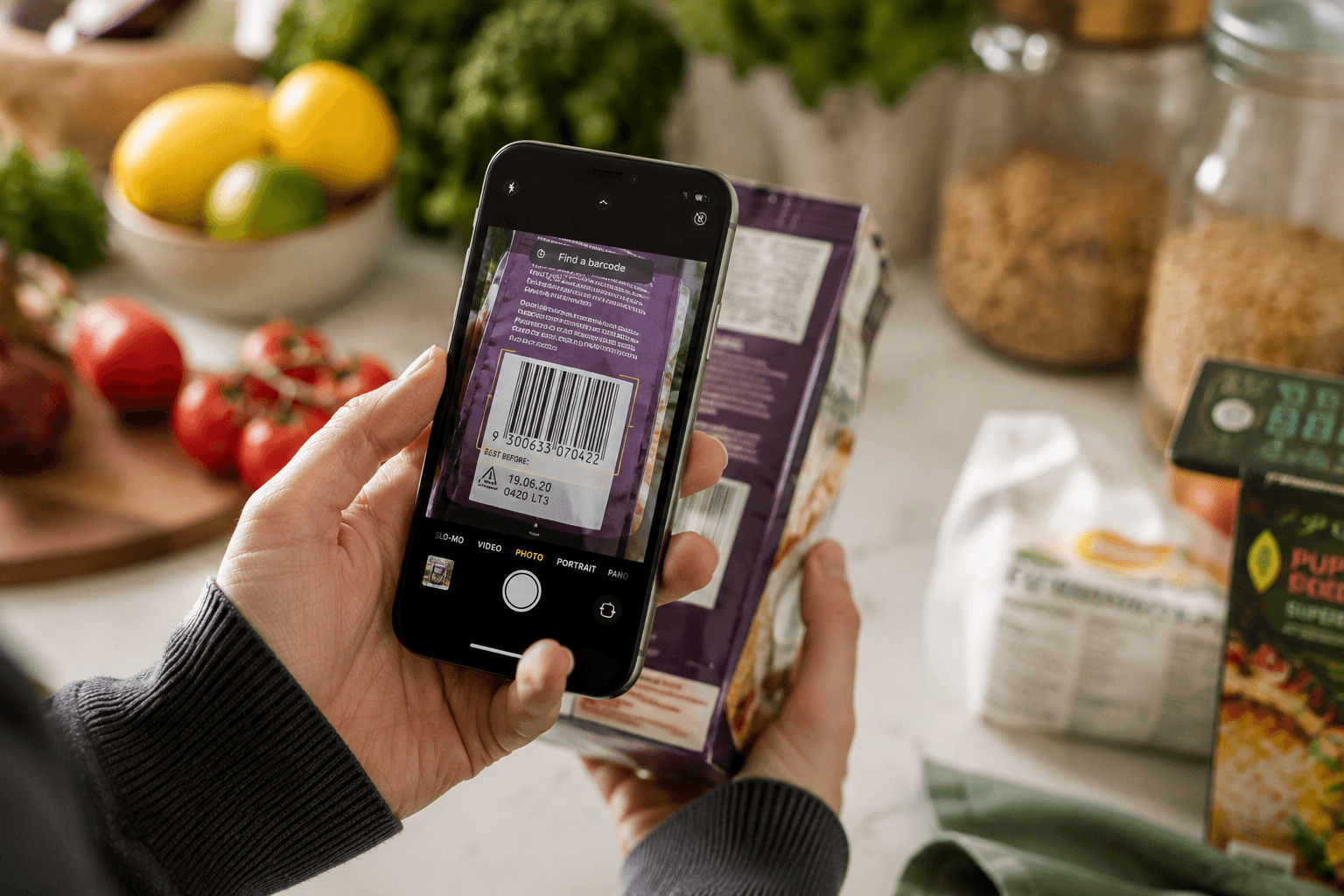
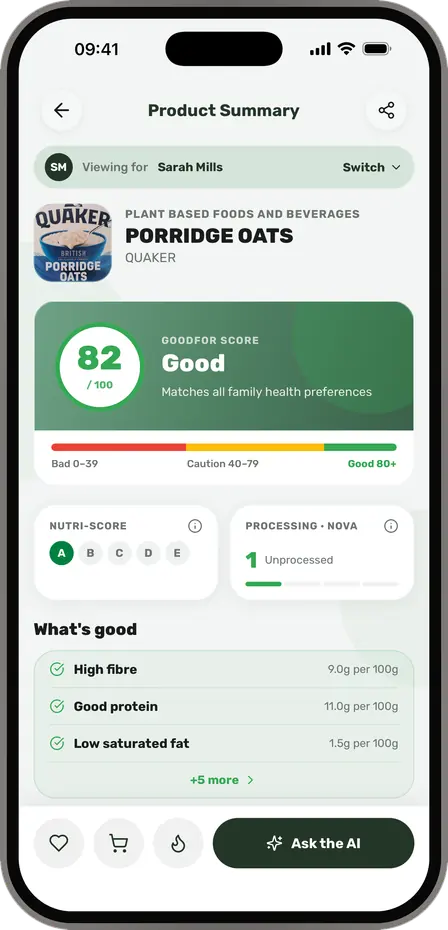
🔄 Try instead: Pick up millet atta or a millet roti instead of plain wheat roti on one or two days a week. The trial’s millet roti scored GI 53 against 62 for wheat roti, which means a slower rise in blood sugar. On the pack, look for a millet flour as the first ingredient. Scan the pack in GoodFor and it shows the ingredients and the reasons behind its score.
❌ Common mistakes and myths about roti and rice in India
The biggest myth is that roti or rice alone makes or breaks a healthy diet, when recipe, portion and meal pattern decide the outcome. The GI values quoted earlier are reference figures, not a ranking that applies to every pot or tawa. The myths below are the ones that most often change what ends up on the plate.
“Roti is always healthier than rice”
ICMR-NIN lists both whole-wheat roti and minimally processed rice as whole-grain options. Portion, grain and the rest of the meal matter more than the staple.
“Brown rice is automatically low-calorie”
Brown rice is a whole-grain option, but its calories depend on the portion and cooking, not on the colour. A heaped plate of brown rice can out-calorie a measured plate of white.
“Rice must be avoided for diabetes”
No cereal is universally banned for diabetes. Watch the portion, choose minimally processed or higher-fibre options, and pair rice with dal and vegetables.
“Roti has a low GI, so it cannot raise blood sugar”
A GI of 62 for roti and 52 for chapathi are both well above zero, so neither is a free pass.
“Rice is unhealthy because it is eaten in the South”
This is not a nutrition principle. Minimally processed rice is on the recommended whole-grain list.
“High-fibre label means unlimited portions”
A high-fibre claim describes fibre content only. The carbohydrate and calories in the portion still count.
“You can eat as much as you want if it’s whole wheat”
Whole wheat is preferred but not unlimited. ICMR-NIN advises reducing calories from refined carbohydrates and oils for weight management, so count whole-wheat rotis like any others.
📅 A practical plan for this week: shopping, portion sizes and easy routines
Alternate whole-wheat roti, brown or minimally processed rice and, if you like, millets across the week, as NIN’s approach suggests.
When you shop on BigBasket or at your local store, buy whole-wheat atta and a minimally polished rice, and check the first ingredient. Pick one katori size and one roti count for the family and use them every day. Fill half the plate with vegetables and pulses. Scanning the atta and rice packs in GoodFor shows their ingredients and fibre before they go in the trolley.
🔍 How GoodFor Scores roti and rice
GoodFor is a UK food and drink scanning app for iOS and Android, used by thousands of users. Every scan shows ingredients, additives, sugar, salt and saturated fat, with the reasons behind the number. It also shows Nutri-Score (A to E) and the NOVA processing group (1 to 4) next to GoodFor’s own 0 to 100 score.
NOVA groups food by how processed it is, from 1 (unprocessed) to 4 (ultra-processed). GoodFor flags the group on every scan.
Nutri-Score grades the overall nutritional quality of a food from A (best) to E, per 100 g. GoodFor shows it on every scan.
For packaged rice and rotis, the 0 to 100 score comes from nutrient levels per 100 g against official thresholds, the degree of processing and additive risk ratings. It then adjusts for the profile. With the region set to India, local ingredient rules apply. Profiles for allergies such as gluten, and for goals such as managing diabetes, change the score and flag what does not fit. GoodFor gives general nutrition information, not medical advice.
Frequently Asked Questions
At your next shop or meal prep, make these three changes
- Buy whole-wheat atta and a minimally polished rice, checking that the first ingredient on the pack matches.
- Use the same katori and the same roti count at every meal, with plenty of dal and vegetables.
- Rotate whole-wheat roti, minimally processed rice and millets through the week instead of relying on just one staple.


Make safer everyday choices