




Key Takeaways
- For toddlers under 2, the NHS recommends full-fat dairy, so choose full-fat Greek yogurt, because young children need the energy and fat for growth.
- Plain Greek yogurt contains about 3 to 5 g sugar per 100 g, all naturally occurring lactose, with no added sugar.
- Flavoured Greek yogurt usually has 10 to 15 g sugar per 100 g, much of it added sugar, so check the label carefully.
- Greek yogurt is suitable for babies from around 6 months as part of weaning, but avoid any yogurt with added sugar, and never give honey before age 1.
- When shopping, choose pasteurised yogurt with a short ingredient list (milk and live cultures) and no more than 5 g sugar per 100 g.
🥣 Is Greek yogurt good for toddlers?
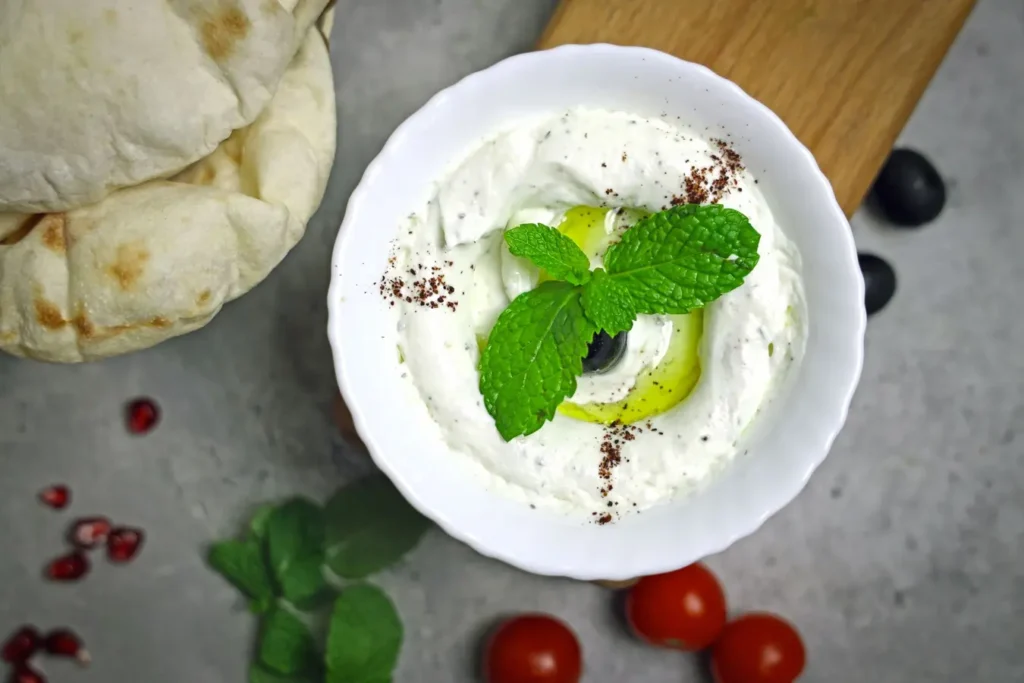
Yes, Greek yogurt can be a good choice for toddlers as part of a balanced diet, because it supplies protein and calcium for growing bones and teeth. Because the whey (the watery part of milk) is strained off, the yogurt sits on a spoon instead of running off it. A toddler gets more into their mouth and less down their front.
Live cultures are the bacteria that ferment milk into yogurt, and some Greek yogurts still contain them at the end. The evidence for specific benefits in healthy young children is limited, so treat them as a bonus.
Not all Greek yogurt is nutritionally equal. Flavoured pots can be much higher in added sugar, so the label matters more than the word “Greek” on the front.
💡 Top tip: Spoon a small portion into a shallow, wide-based bowl and give your toddler a short, chunky spoon already loaded. The thick texture stays put, so they practise scooping without the yogurt sliding off.
🥛 How Greek yogurt and natural yogurt compare for young children
Greek yogurt is strained to remove whey, which makes it thicker, creamier and higher in protein per 100 g than natural yogurt. A properly strained Greek pot has around 5 to 10 g of protein per 100 g, and natural yogurt has less. Calcium is similar in both, because the milk is the same starting point.
Natural yogurt is unstrained, so it is thinner and slightly tangier. It drips off a spoon more easily, which can make self-feeding messier for a toddler who is still learning to scoop.
Neither style is the wrong choice. For a child under 2, look for the plain, unsweetened, full-fat version of either. If your toddler refuses the thicker pot, natural yogurt on a spoon or in a beaker does the same nutritional job.
🚼 Choosing full-fat or low-fat Greek yogurt for a toddler
The NHS recommends full-fat dairy for children under 2 to provide energy and fat-soluble vitamins (A and D) for growth and development. Young children eat small amounts, so each mouthful needs to carry more energy than an adult’s would.
From age 2, lower-fat options can be introduced if your child eats a varied diet and is growing well. Full-fat remains a perfectly good choice after that.
For under-2s, look for “whole milk Greek yogurt” or “full-fat Greek yogurt” on the front of the pack. A “0% fat” or “light” pot is the wrong default at this age, however healthy it sounds. The saturates line in the nutrition table is a quick cross-check: a fat-free pot shows around 0.1 g per 100 g.
✅ Quick check:
- Front of pack says “whole milk” or “full fat” (for under-2s).
- Ingredients start with “milk” and may include cream.
- Saturates are not a reason to reject a full-fat pot for a child under 2.
- Sugars are 5 g or less per 100 g.
🍯 What the sugar number in Greek yogurt means for toddlers
Plain Greek yogurt typically contains 3 to 5 g of sugar per 100 g, mainly lactose (milk sugar), while flavoured versions can have 10 to 15 g or more because of added sugars. The number on the pack does not tell you which kind you are looking at.
“Of which sugars” on UK packs means total sugar: natural lactose and any added sugar together. The NHS counts added sugars, honey, syrups and fruit purées as free sugars, which should be kept to a minimum. Sugar naturally present in milk does not count as free sugar.
The NHS free-sugar maximums are 10 g a day at age 1 and 14 g a day at ages 2 to 3. Under 1 year there is no allowance, because added sugar should not be given at all. A plain pot uses none of that allowance, while a sweetened one can use most of it.
The UK traffic-light label colours sugars per 100 g:
- Green (low): 5 g or less
- Amber (medium): 5.1 to 22.5 g
- Red (high): more than 22.5 g
Most flavoured yogurts land in amber, so amber is a prompt to read the ingredients, not an automatic ban.
🍓 Flavoured Greek yogurt, added sugar and toddler health
Flavoured Greek yogurts often carry 10 to 15 g of sugar per 100 g, well above the natural lactose in a plain pot, so they are not ideal as a staple. An occasional flavoured pot will not harm most toddlers. The concern is routine: a daily sweet yogurt can build a taste for sweetness and adds to the risk of tooth decay.
The NHS advises offering sugary foods with meals rather than as snacks, and avoiding them before bedtime.
The ingredient list tells you where the sweetness comes from. Glucose-fructose syrup, honey, brown sugar and fruit purée all mean added or free sugars. A short list of milk, cultures and fruit is a better flavoured pot than one with syrups, sweeteners, colours and flavourings, though it still sits above plain on sugar.
⚠️ Watch out: Strawberry, vanilla and honey Greek yogurts almost always contain added sugar. Read the ingredients for fruit purée, honey or syrup. Buy plain yogurt and add fruit at home, so you decide how sweet it is.
💪 Does protein content matter in Greek yogurt for children?
Most UK toddlers already get enough protein from a mixed diet, so a higher protein figure is not a reason to pick Greek over natural yogurt. Milk, meat, fish, eggs, beans and cheese all meet a toddler’s needs, according to NHS guidance.
Greek yogurt has roughly double the protein of regular yogurt. Its real advantages are texture and satiety, meaning it keeps a child fuller for longer.
Greek yogurt is useful if your toddler eats little meat or follows a vegetarian diet. Beans, lentils, eggs and cheese also help, so one pot does not have to carry the load.
🦠 The role of live cultures in Greek yogurt
Live cultures (Lactobacillus bulgaricus and Streptococcus thermophilus) ferment milk into yogurt and may support gut health, though evidence for healthy children is not conclusive. “Contains live cultures” or “live yogurt” on the pack tells you the bacteria are still present.
On UK labels, the authorised claim linking live yogurt cultures to lactose digestion requires at least 100 million colony-forming units per gram of those two named cultures. That is a legal threshold for a claim, not proof of a benefit for a healthy toddler.
Some pots add further strains and sell themselves as “probiotic”. The NHS and British Nutrition Foundation do not recommend specific probiotics for healthy children, so a long strain list is marketing, not a reason to pay more.
Heat-treated yogurts, such as long-life pots, do not supply live cultures. They are still fine nutritionally, so decide on fat, sugar and ingredients first.
👶 Giving Greek yogurt to babies under 1 year
NHS Start4Life guidance supports offering pasteurised, plain, full-fat yogurt, including Greek yogurt, from about 6 months as part of weaning. Use only plain, unsweetened pots with no added sugar. Honey and anything containing honey are unsafe under 1 year because of the risk of infant botulism.
Dairy is a common early allergen. If there is a family history of allergy, or your baby has eczema, speak to your GP or health visitor before introducing it. Most babies tolerate yogurt well, but a small number have cow’s milk protein allergy, which only a clinician can diagnose.
Yogurt is a complementary food. It does not replace breast milk or formula in the first year, so offer it alongside milk feeds, not instead of them.
🏷️ What to look for on a Greek yogurt label when feeding toddlers
Five checks on the pack rule pots in or out, and the first two remove the most. Run them in this order:
- Read the front label for “full fat” or “whole milk” if your child is under 2.
- Check the nutrition table: 5 g sugars or less per 100 g is green on the traffic light.
- Scan the ingredients: shorter is better, ideally milk and live cultures only.
- Look for “contains live cultures”. It is a bonus, not a requirement.
- Reject any pot listing honey, syrup or fruit purée if you are buying for a baby under 1, or want no added sugar.
🥗 Nutrition example: A 100 g serving of Tesco Finest Greek Yogurt has 3.3 g sugars, all milk sugar, so none of a 2 to 3-year-old’s 14 g free-sugar limit is used. A 113 g pot of Tesco Greek Style Yogurt with Honey has 13.1 g sugars, nearly the whole allowance.
🛒 Greek yogurt for toddlers: comparing real UK supermarket products
Supermarket Greek and Greek-style yogurts vary widely in sugar (3.3 to 11.6 g per 100 g), so look beyond the front label. The table compares Tesco pots per 100 g. Lower is better for sugars and saturates, though under-2s need the fat in full-fat pots. The sugar colour applies the 5 g green threshold to each pot.
| Product and size | Sugars per 100 g | Saturates per 100 g | Protein per 100 g | First ingredients | Sugar colour |
|---|---|---|---|---|---|
| Tesco Finest 0% Fat Greek Yogurt, 500 g | 4.6 g | 0.1 g | 9.8 g | Skimmed milk, skimmed milk concentrate, milk proteins | Green |
| Tesco Greek Style Plain Yogurt, 4 x 90 g | 6.3 g | 3.4 g | 4.7 g | Greek style yogurt (milk), milk mineral concentrate, lactase enzyme | Amber |
| Tesco Finest Greek Yogurt, 500 g and 1 kg | 3.3 g | 7.2 g | 6.1 g | Milk, skimmed milk concentrate, double cream | Green |
| Tesco Lactose Free Greek Yogurt, 400 g | 3.3 g | 6.9 g | 6.4 g | Skimmed milk, skimmed milk concentrate, cream | Green |
| Tesco Greek Style Yogurt with Honey, 450 g | 11.6 g | 4.3 g | 3.6 g | Greek style yogurt (milk), honey (4.5%), brown sugar | Amber |
| Tesco Greek Style Yogurt, Coconut, 450 g | 7.7 g | 4.8 g | 3.2 g | Greek style yogurt (milk), water, sugar | Amber |
What this shows: The full-fat Tesco Finest pot has under a third of the sugar of the honey pot (3.3 g against 11.6 g per 100 g) and is the better fit for under-2s. The 0% pot is skimmed, so it does not suit a child under 2. The “Greek style” pots carry 3.2 to 4.7 g of protein, below the 5 to 10 g of a strained Greek yogurt, and the honey and coconut pots both list added sugar in their first three ingredients. In the aisle, pick the full-fat pot with milk first on the list and green sugars.
🤔 Common myths and mistakes: Greek yogurt and toddlers
Child-branded or Greek-style yogurt is not automatically suitable for toddlers: ingredients and nutrition figures, not packaging, should guide the choice. A cartoon on the pot says nothing about fat or sugar.
- Low-fat as the default for under-2s. Full-fat is the NHS recommendation until age 2, as set out above.
- Fruit purée as a healthy swap for sugar. Purée counts as free sugar, and “real fruit” describes an ingredient, not the sugar total.
- “Plain” means unsweetened. Plain describes flavour only, so check the ingredients and sugars line.
- Live cultures as a must-have. They are a bonus, and fat, sugar and ingredients come first.
If your toddler only accepts fruit yogurt, mix half plain and half flavoured, then raise the plain share over a few weeks so the taste shifts without a refusal.
🔄 Try instead: Pick up plain Greek yogurt such as Tesco Finest Greek Yogurt, and add mashed soft fruit, instead of honey Greek-style yogurt: 3.3 g sugars per 100 g against 11.6 g. On the pack, look for “milk” as the first ingredient and no honey or sugar listed. Scan both in GoodFor and it shows the sugar line before the pot goes in the trolley.
🗓️ How to add Greek yogurt to the weekly toddler routine
NHS meal ideas pair plain yogurt with unsweetened stewed apple or fresh fruit as a snack or pudding, giving calcium and a controlled level of sweetness. Yogurt can count as one of the two milk-based servings suggested daily for young children, alongside milk, cheese and fromage frais.
For variety, stir plain Greek yogurt through mashed banana, berries or grated apple, and change the fruit with the season. For babies, leave out honey until after the first birthday.
💡 Top tip: Offer plain Greek yogurt with soft pears, peaches or mashed berries at snack time. The fruit adds natural sweetness and fibre, and ripe fruit is soft enough for small hands to hold.
📱 How GoodFor Scores Greek yogurt
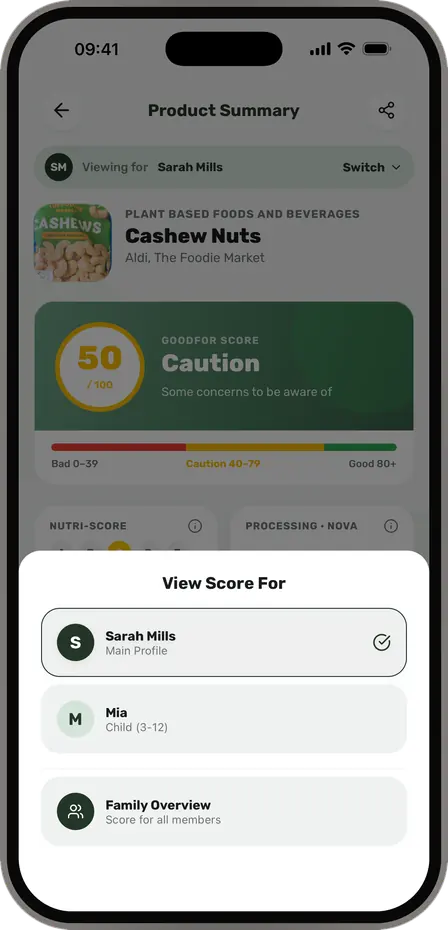
GoodFor shows the sugar, salt and saturated fat in each pot, lists the ingredients and additives, and gives the reasons behind a single 0-100 score. The score draws on nutrient levels per 100 g against official thresholds, the degree of processing and additive risk ratings. Every deduction is listed, so you can see why one pot scores higher than another.
Each scan also shows Nutri-Score (A to E) and the NOVA processing group (1 to 4). A family profile can carry preferences and goals such as reducing sugar, so the score is adjusted for your child’s settings.
NOVA groups food by how processed it is, from 1 (unprocessed) to 4 (ultra-processed). GoodFor flags the group on every scan.
Nutri-Score grades the overall nutritional quality of a food from A (best) to E, per 100 g. GoodFor shows it on every scan.
Brands cannot influence a score. GoodFor is a general nutrition tool, not medical advice, and it works alongside the label checks above.
Frequently Asked Questions
🛒 At your next yogurt shop for your toddler, do these three things
- Pick a plain, full-fat or whole milk Greek yogurt, checking the front label for “full fat” or “whole milk” if your child is under 2.
- Read the nutrition table and choose a pot with 5 g or less sugars per 100 g, avoiding flavoured or honey-added versions.
- Check the ingredients list is short, ideally just milk and live cultures, and add soft fruit at home for sweetness.
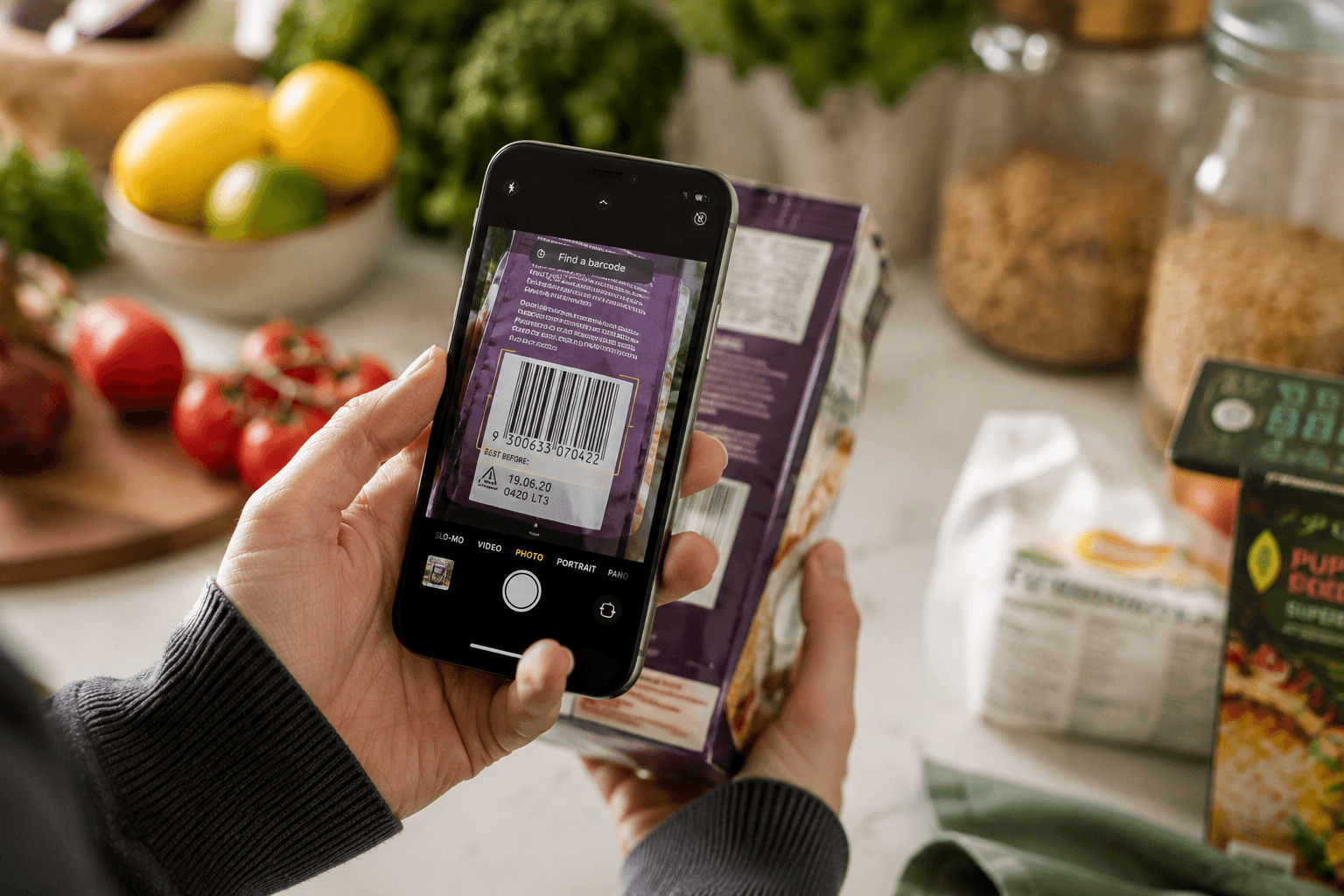
GoodFor shows the sugars, ingredients and a 0-100 score for each pot when you scan its barcode, so you can run all three checks in a second.


Make safer everyday choices