




Key Takeaways
- Legumes food includes beans, lentils, peas, chickpeas and peanuts, all of which are everyday foods in UK shops, not just health products.
- An 80 g cooked portion (about three heaped tablespoons) of beans, lentils or chickpeas counts as one of your 5-a-day, but only once per day, according to NHS guidance.
- Most cooked legumes provide around 7 to 10 g of protein and 6 to 8 g of fibre per 100 g, making them a filling and nutritious choice.
- Plain tinned and dried legumes can be much lower in salt and sugar than flavoured or sauced varieties, so check the nutrition label for each product.
- Dried kidney beans and soya beans must be boiled vigorously for 10 minutes at the start of cooking to destroy natural toxins.
🌱 What are legumes and pulses? A practical definition for UK shoppers
Legumes are the edible seeds from pod-bearing plants in the Fabaceae family, including beans, lentils, peas, chickpeas and peanuts; when dried they are also called pulses. The seeds grow inside a pod, and the seeds are what you eat, whether fresh as garden peas or dried as lentils and kidney beans.
Legumes are a staple protein source worldwide. They go into soups, stews, curries and salads across many cuisines, so you have almost certainly eaten them this week without the word coming up.
The two terms overlap but are not identical. Pulses are the dried seeds (lentils, chickpeas, dried beans), while legumes also include fresh peas, green beans and peanuts. The NHS hospital dietetics leaflet “It’s All About Legumes” draws the line in the same place, although usage varies between countries. On UK packs you will usually see the specific names (beans, lentils, chickpeas, peas) rather than either umbrella term.
🛒 Types of legumes food you can buy in the UK
Most legumes sit in the tinned veg aisle, the world foods aisle or the freezer, and all of them are sold dried, tinned or cooked, so you can choose between speed and batch cooking. Familiar types are:
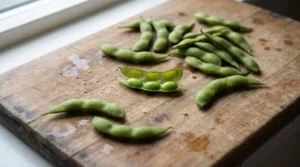
- Beans: kidney beans, black beans, cannellini beans, butter beans, baked beans and edamame (young soya beans).
- Lentils: red lentils for soups and dhal, green lentils, and Puy lentils, which hold their shape in salads.
- Chickpeas: also called garbanzo beans, used for hummus and curries.
- Peas: garden peas, split peas, and marrowfat peas for mushy peas.
- Peanuts: grown in pods like other legumes, and the main ingredient in peanut butter.
Preparing them safely
Most dried beans and pulses need soaking before cooking, while lentils and split peas generally do not. According to BBC Food, dried kidney beans and soya beans must be boiled vigorously for 10 minutes at the start of cooking to destroy naturally occurring toxins. Tinned beans and lentils are already cooked, so drain and rinse them to wash off added salt.
🥗 Legumes nutrition per 100g cooked: protein, fibre and what else is inside
Per 100 g cooked, lentils, chickpeas and kidney beans each provide about 9 g protein and 6 to 8 g fibre, with low fat and useful minerals. The table compares three common legumes per 100 g cooked. Higher is better for protein and fibre; lower calories suit you if you are watching energy.
| Legume (100 g cooked) | Calories (kcal) | Protein (g) | Carbohydrate (g) | Fibre (g) |
|---|---|---|---|---|
| Lentils | ~115 | 9 | 20 | 8 |
| Chickpeas | ~165 | 9 | 27 | 7 |
| Kidney beans | ~130 | 9 | 23 | 6 |
What this shows: All three give the same 9 g of protein, but lentils have the most fibre (8 g) for the fewest calories (about 115). Chickpeas carry the most energy because they hold more carbohydrate. These are typical values, and products vary with brand, cooking time and whether the beans are drained, so use them as a guide and check the pack.
Legumes are also sources of iron, folate (a B vitamin), magnesium, potassium and zinc. They provide resistant starch, a fibre-like starch that escapes digestion and feeds bacteria in the large intestine. Those bacteria turn it into short-chain fatty acids, which the cells lining the gut use for energy.
✅ Are legumes healthy? UK expert verdict
Legumes count towards your 5-a-day (one portion is 80 g, about 3 heaped tablespoons) and the NHS describes pulses as low-fat sources of protein, fibre, vitamins and minerals and as alternatives to meat. The Eatwell Guide tells you to eat some beans, pulses, fish, eggs, meat and other protein foods, and describes pulses as low in fat and good sources of fibre and protein.
Legumes are low-glycaemic-index foods, which means they release energy slowly and help keep blood sugar steady. That makes them a sensible staple if you want sustained energy.
They are also good value. The Linus Pauling Institute describes legumes as inexpensive, nutrient-dense sources of protein that can stand in for animal protein, with small amounts of fat that are mostly unsaturated. They also have a lower environmental impact than meat.
❤️ Health benefits of legumes: fibre, protein and beyond
Legumes provide 6 to 8 g fibre and 7 to 10 g protein per 100 g cooked, which helps with fullness, digestion and meeting protein needs.
- Fibre: a 150 g helping of cooked lentils at 8 g per 100 g gives 12 g of fibre. Fibre supports digestion and heart health, and it helps you feel full for longer.
- Plant protein: at 7 to 10 g per 100 g cooked, legumes suit vegetarians, vegans and anyone eating less meat, and they cost less than most meat.
- Iron and folate: both support red blood cell production and energy, which matters particularly for women and in pregnancy.
- Steady energy: the starch and fibre digest slowly, so glucose enters the blood gradually. This low-GI effect is why legumes suit anyone wanting steadier blood sugar.
🔄 Legumes vs pulses: which foods count and how they’re different
Pulses are the dried seeds of legumes, such as dried lentils, chickpeas and beans, whereas “legumes” covers the broader pod-plant family, including fresh and dried forms and peanuts.
In everyday UK shopping, “pulses” means the dried or tinned beans, lentils and chickpeas in the tinned or world foods aisle. “Legumes” adds fresh peas, green beans and peanuts. That is why a bag of frozen garden peas is a legume but not a pulse, and why a tin of butter beans is both.
Peanuts are legumes but not pulses, and they are not tree nuts either. Peanut allergy is a separate, legally recognised allergen issue, so anyone avoiding peanuts must read the full allergen statement and any “may contain” warning, whatever the botany says.
🍽️ How to use legumes in everyday meals and family recipes
Classic UK legume meals include baked beans on toast, lentil soup, and chickpeas in curries or hummus. Each type suits a different job in a family week:
- Lentils: soups, curries, and half-and-half with mince in Bolognese to boost fibre and cut cost.
- Chickpeas: hummus, curries, roasted as a snack, or tossed in salads.
- Beans: baked beans on toast, chilli, stews and salads.
- Peas: garden peas as a side veg, mushy peas, pea soup.
The UK-wide “Bang in Some Beans” initiative encourages families and schools to add beans, lentils and pulses to everyday meals. Its examples are lentils in pasta sauce, kidney beans in chilli and chickpeas in wraps and salads.
According to BBC Food, cooked pulses keep in the fridge for a couple of days, or freeze for 2 to 3 months, so cook a big pot once and portion it.
🥗 Nutrition example: Swap half the mince in a Bolognese for lentils. If each serving gets 50 g of cooked lentils at 8 g fibre per 100 g, that adds 4 g of fibre to every portion without changing how the sauce looks.
😌 Do legumes cause bloating or wind? Gut health and practical tips
Some people find beans and lentils cause bloating or wind, especially if their usual diet is low in fibre. The tips below help your gut adjust:
- Start with small portions and increase gradually so your gut adapts.
- Soak dried beans and discard the soaking water.
- Rinse tinned beans before use.
- Cook legumes thoroughly until soft.
- Drink plenty of water as you increase fibre.
Most digestive systems adjust within weeks of regular legume eating. A spoonful stirred into a familiar sauce is an easy way to begin.
⚠️ Watch out: Soaking, rinsing and proper cooking can reduce the compounds that cause wind, but they may not stop symptoms for everyone. If you are still uncomfortable after a few weeks, go back to a smaller portion.
📏 How much legumes should you eat for health and your 5-a-day?
An adult portion is 3 heaped tablespoons of cooked beans, pulses or lentils (about 80 g), measured as eaten. Beans and pulses count as one 5-a-day portion only, even if you eat more or mix several types in a day.
Use variety to fill the other four portions, with different fruit and vegetables alongside your beans. Balance legumes with other protein sources and wholegrains across the week.
✅ Quick check:
- Measure cooked beans with a heaped tablespoon: 3 for beans and chickpeas, and 3 tablespoons for lentils.
- Green beans and broad beans count as vegetables, so they are separate from the pulse portion.
- Count the portion on the weight you eat, drained, not the weight of the tin.
- Count only the chickpeas in hummus, not the whole pot.
🔍 How GoodFor Scores legumes
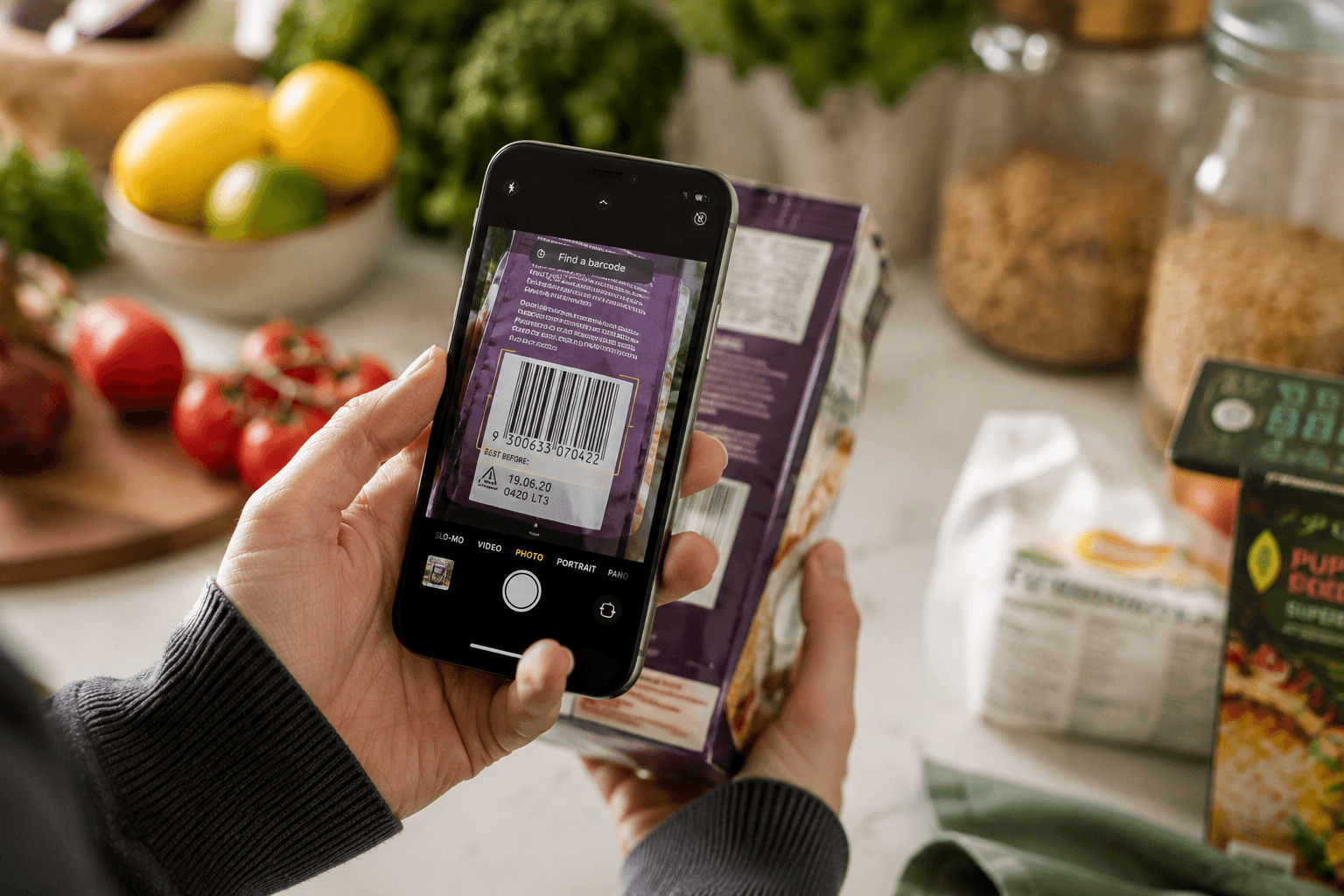
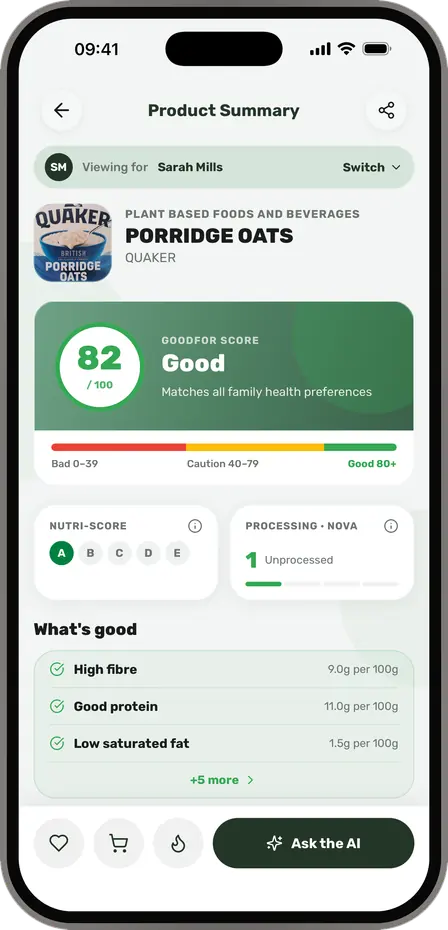
GoodFor reads the ingredient list and the nutrition panel per 100 g on each legume product, then shows the reasons behind its 0 to 100 score.
UK packs must show energy, fat, saturates, carbohydrate, sugars, protein and salt per 100 g or 100 ml. Fibre is voluntary, but it must be declared when a claim is made. Under the retained UK nutrition-claims rules, “source of fibre” needs at least 3 g per 100 g, and “high in fibre” needs at least 6 g per 100 g. Tesco Plant Chef Lentil & Bean Chilli has 5.9 g fibre per 100 g, so it just misses “high in fibre”.
Ingredients are listed in descending order by weight, and GoodFor also checks for any “may contain” allergy statement. Front-of-pack traffic lights (green, amber, red) are voluntary and cover energy, fat, saturates, sugars and salt only. They do not rate fibre or protein. Each scan also shows Nutri-Score, the NOVA processing group and a 0 to 100 score, with every deduction listed.
NOVA groups food by how processed it is, from 1 (unprocessed) to 4 (ultra-processed). GoodFor flags the group on every scan.
Nutri-Score grades the overall nutritional quality of a food from A (best) to E, per 100 g. GoodFor shows it on every scan.
Frequently Asked Questions
🛒 On your next shop or meal plan with legumes
- Add a tin of beans, chickpeas or lentils to your trolley and use them in soups, stews or pasta sauce.
- Rinse tinned beans or chickpeas before eating to wash off added salt and make them gentler on your digestion.
- Pair lentils or beans with brown rice or a wholegrain for a filling meal.
GoodFor shows the salt and sugar per 100 g on each scan, so you can compare two tins in the aisle.


Make safer everyday choices